
Boundaries · 11 February 2026
Closeboard Versus Panels: The Honest Comparison
One costs more and lasts twice as long. The interesting question is which parts of that are actually true.
What the two things are
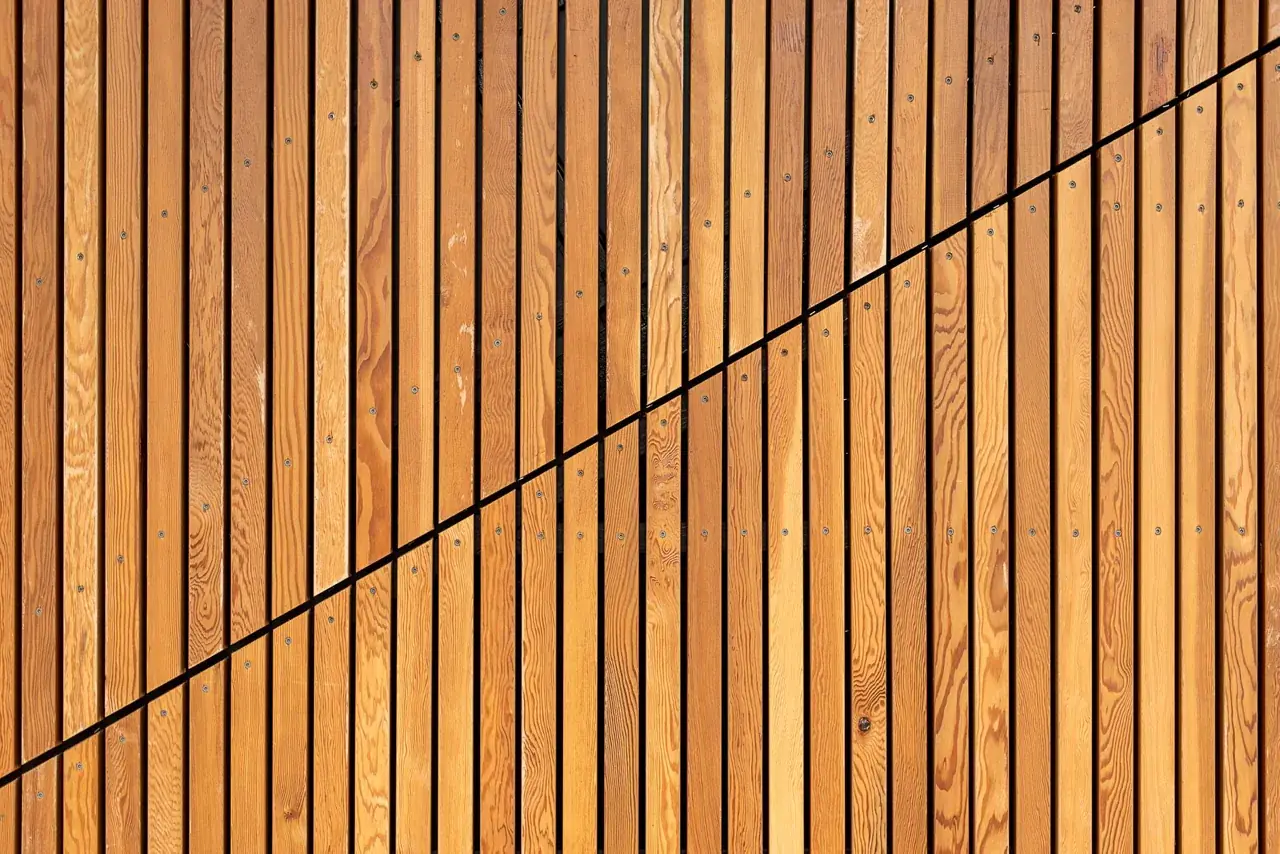
A panel fence is a prefabricated bay, usually six feet by six, dropped between posts. A closeboard fence is built in place: two or three horizontal arris rails between posts, then vertical feather-edge boards nailed across them with an overlap.
Panels arrive finished and go up fast. Closeboard is assembled on site and takes perhaps three times as long per bay.
The durability gap is real but it is not the timber
The usual claim is that closeboard lasts twice as long. In practice it does, and the reason is not that the boards are better timber. It is that a closeboard fence has no large flat area for the wind to push on as a unit, and every component can be replaced individually.
A waney-edge panel that fails does so all at once. One slat splits, the frame racks, and the whole bay has to come out. A closeboard fence that loses a board loses a board. You nail a new one on in four minutes and the fence is whole again.
That repairability is worth more over twenty years than any difference in the wood itself, and it is the part of the comparison that gets left out of the price discussion.
Where panels genuinely win
On a level run in a suburban garden with good access, panels are the right answer and there is no shame in it. They are quicker, they are cheaper, and a decent pressure-treated panel behind a hedge will do fifteen years without complaint.
They also win where the fence is decorative rather than functional. A closeboard fence is a serious-looking object. Around a small courtyard it can be oppressive in a way a lighter panel is not.
Where closeboard is the only sensible choice
Sloping ground. A panel is a rigid rectangle and a slope is not, so panelled fencing on a gradient has to step, leaving triangular gaps at the bottom of every bay that then get filled with awkward offcuts.
Closeboard can rake. The rails follow the slope, the boards stay vertical, and the fence line runs parallel to the ground the whole way. It looks deliberate because it is.
Livestock, dogs and exposure are the other three. Anywhere something will lean on the fence or the wind gets a proper run at it, the panel is the weak component and the closeboard is not.
The cost comparison that is actually useful
Compare installed cost per year of expected life, not cost per bay. A panel fence at sixty per cent of the price that lasts fifty per cent as long is more expensive, and the labour to replace it falls in year fifteen rather than year thirty.
That said, if the honest plan is to move house in eight years, the panel is the correct financial answer and the twenty-year argument is somebody else's.