
Boundaries · 25 February 2026
Gravel Boards and the Gap at the Bottom
The cheapest component in the fence is the one that decides whether the expensive parts survive. Most fences are built without it.
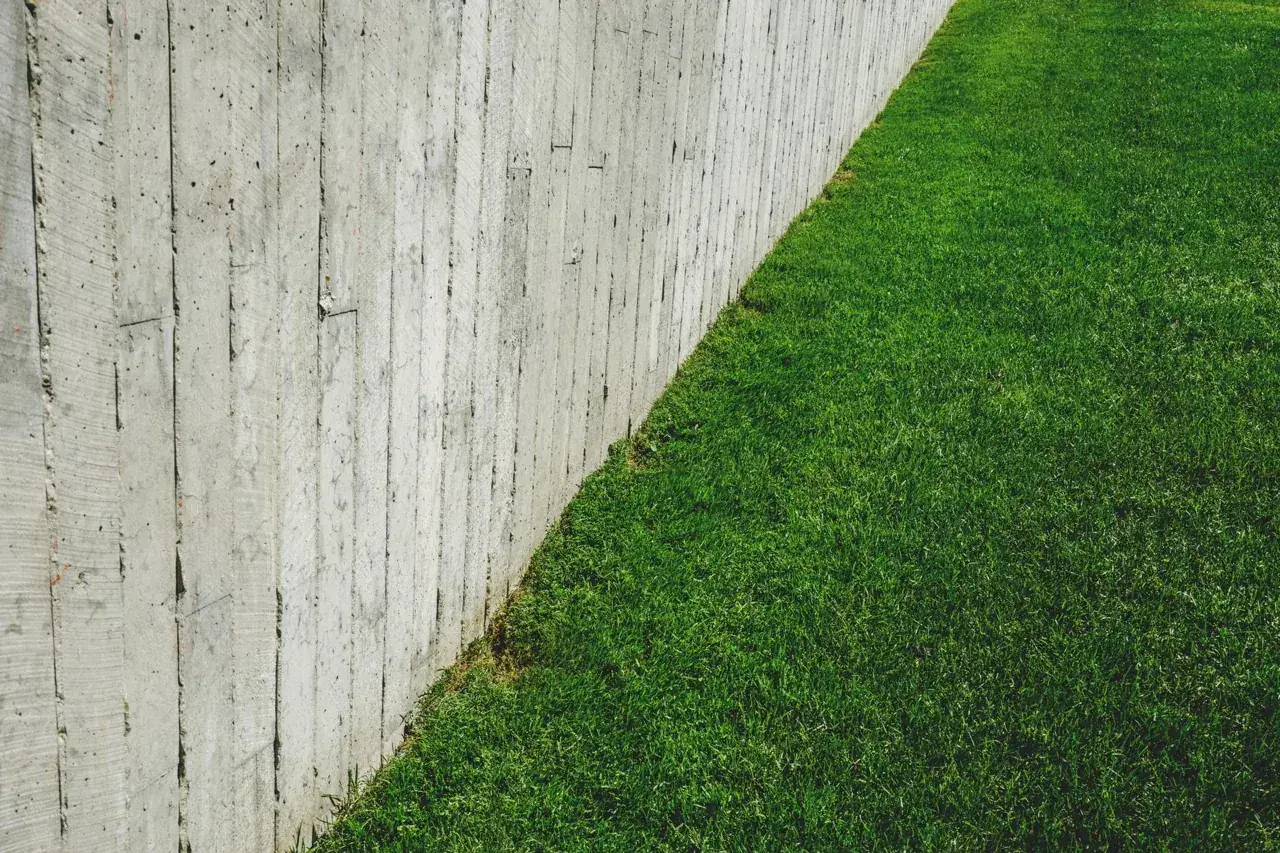
The job the board is doing
A gravel board is a sacrificial strip along the bottom of a fence. It keeps the boards or panel above the soil, out of the splash zone and away from the wet leaf litter that piles up against every boundary in the country.
It is the cheapest part of the fence and it is protecting the part that costs the most to replace. That is the entire argument and it does not need embellishing.
Timber or concrete
A timber gravel board is cheap, matches the fence and will need replacing in perhaps eight years, which is fine because replacing it is a ten-minute job and the fence above it is untouched.
A concrete board will outlive the fence. It is heavier, it needs slotted concrete posts or fixing cleats, and it looks like what it is. On a boundary that faces a road, a bank or a border that gets watered, it is the right choice and the aesthetic objection is weaker than people think once the planting grows.
The hybrid worth knowing about is a concrete board with a timber fence above it in a timber post. It needs cleats rather than slots, it takes ten minutes longer per bay, and it gets you the durability without committing the whole boundary to concrete.
Ground clearance is the point
Whatever the board is made of, the aim is that no part of the fence proper touches soil. Two inches of air under the boards is enough. Four is better on a bank.
Where this goes wrong is later. A fence built with proper clearance is buried within five years by border soil, mulch and the slow creep of a lawn edge, and the gravel board ends up doing nothing because the soil has climbed over it. It is worth pulling the soil back from a boundary once every couple of years, and almost nobody does.

Dogs, cats and the gap
The clearance that protects the fence is also a gap a small dog will find. If that matters, the answer is not to bury the board. It is to run a strip of galvanised mesh from the bottom of the board down and outward into the soil, pinned flat and covered. The dog digs, hits mesh, and the fence stays out of the wet.
Hedgehogs need the opposite and it costs nothing to give it to them. A five-inch square cut low in one bay is a wildlife corridor across an entire street of gardens, and the RHS has been pushing this for years for good reason.