Boundaries · 11 March 2026
Hedge, Fence, or Both
A hedge is a better boundary than a fence in almost every way except the one that usually matters, which is that it is not there yet.
The comparison nobody frames honestly
A hedge outperforms a fence on wind, on wildlife, on carbon, on noise, on privacy at maturity and on lifespan by an order of magnitude. A well-laid hedge can be four hundred years old. No fence is.
It loses on one axis and it loses badly: it takes between five and fifteen years to do the job, and it needs cutting every year of its life. That is the whole trade and everything else is detail.
Why a hedge beats a fence on wind
A solid fence does not stop wind, it deflects it. The air goes over the top, comes down hard a few metres in and produces a turbulent zone that can be windier than open ground. Anyone who has watched a fence panel explode in a gale has watched the pressure differential do it.
A hedge is permeable. It slows air through its whole depth rather than blocking it, and the sheltered zone downwind is longer and calmer. For a windbreak on an exposed boundary there is no contest, and the standard figure is that a fifty per cent permeable barrier shelters ground for around ten times its height.
The both answer
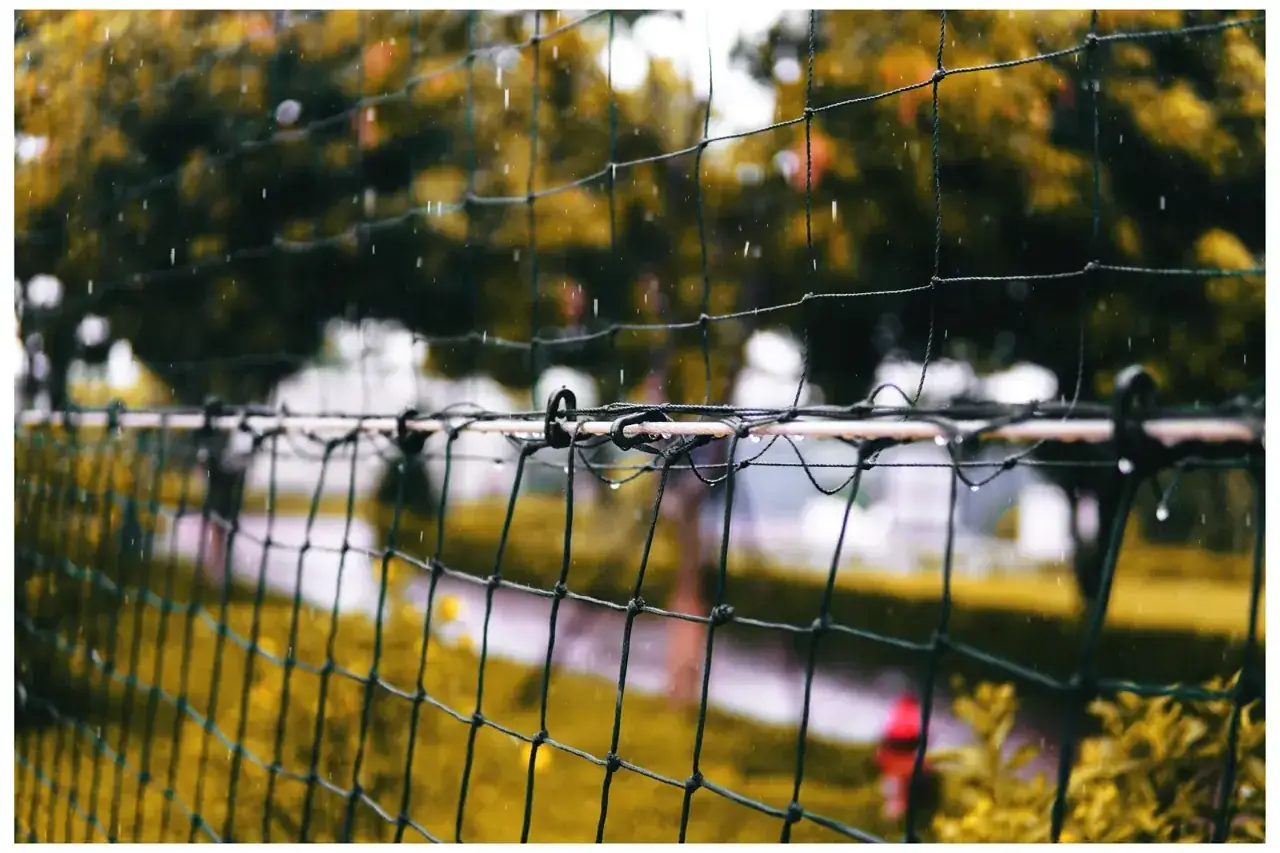
The practical solution on any boundary that needs to work now and work in twenty years is to plant the hedge and put a stock fence or a simple post and rail alongside it. The fence does the job for the first decade. The hedge grows through and past it, and when the fence eventually goes the hedge has been the boundary for years and nobody notices.
Set the fence eighteen inches off the hedge line if you can. A hedge planted tight against wire grows into it, and in fifteen years you have a hedge with a fence inside it that can never be removed.
What to plant if you want it to work
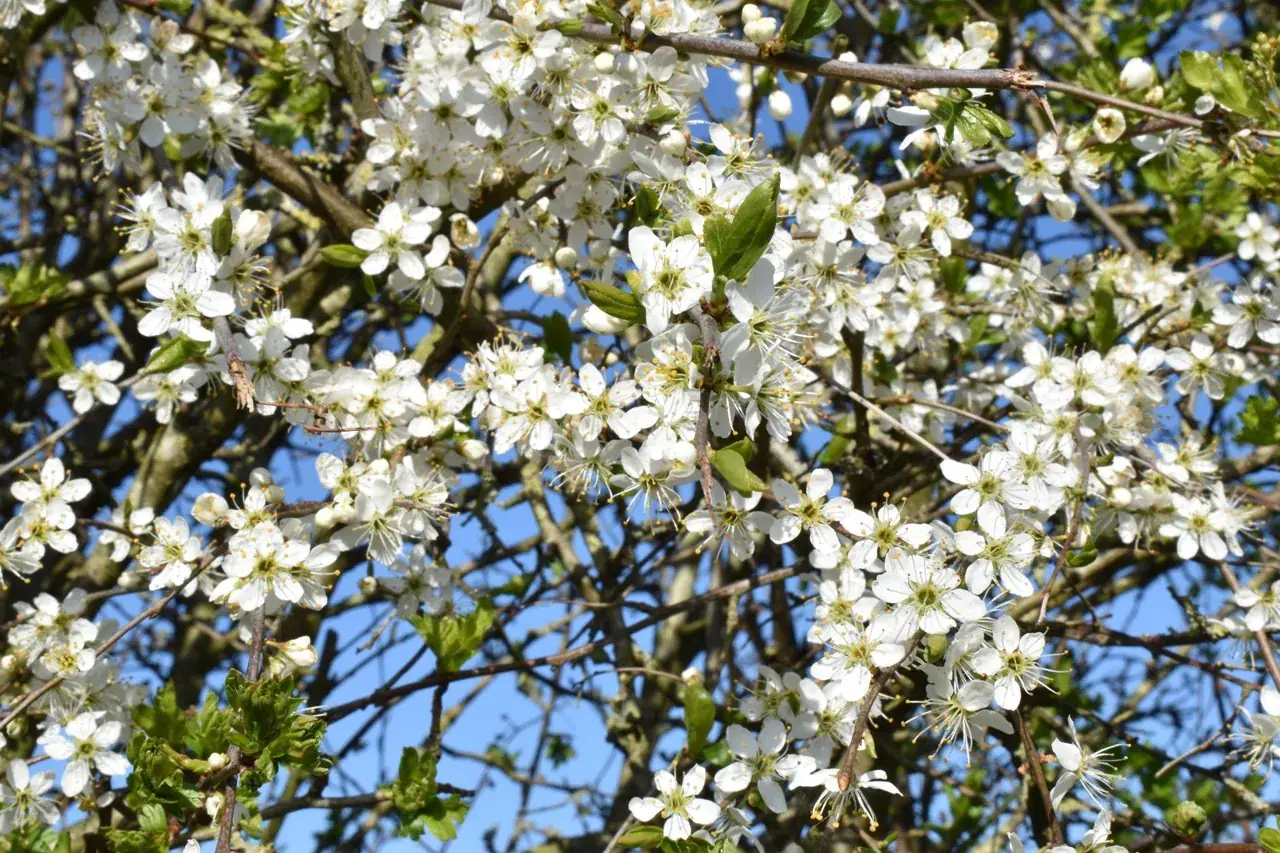
Mixed native beats single species for wildlife and for resilience, and hawthorn is the backbone of most of it because it is thorny, cheap, tolerant of bad soil and responds to cutting by getting thicker. Add blackthorn, hazel, field maple, dog rose and holly and you have something that feeds things.
Plant bare-root whips between November and March, two staggered rows, five plants per metre, and cut them hard back in the first winter however wrong that feels. A hedge that is not cut back at planting grows tall and gappy at the base, which is the one failure mode you cannot fix later. the Woodland Trust sells the whips cheaply and the guidance is sound.