
Ground & Levels · 22 April 2026
The Waterlogged Boundary
Water that stands along a fence line every winter is not a fencing problem, and no amount of better fencing will fix it.
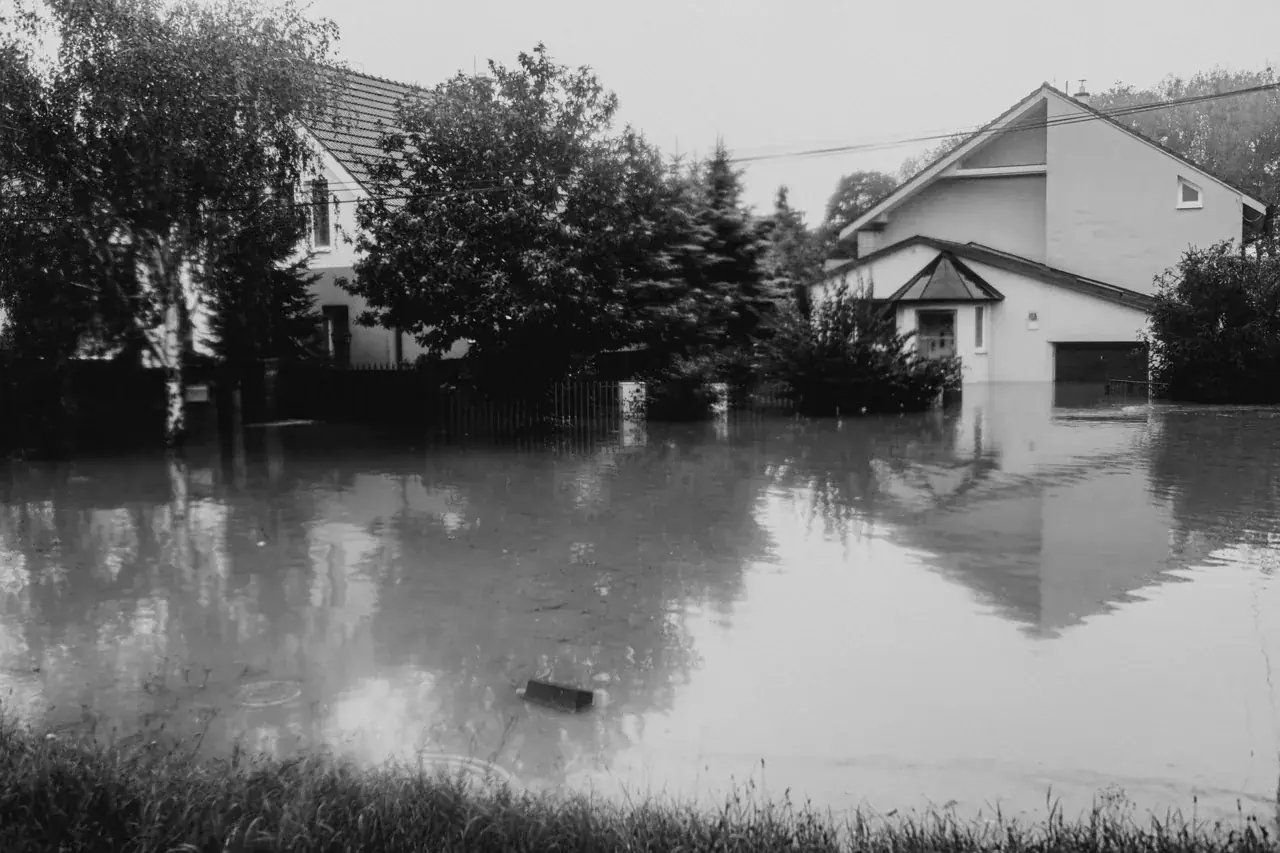
Find out where it comes from before spending anything
A boundary that floods has one of four causes: it is the low point of the garden, it sits on a spring line, the ground has been compacted into a pan, or somebody upslope has changed their drainage. Only the first two are natural and only the first is easy.
Watch it during rain rather than after. Water that appears within an hour is surface run-off and has a route you can see. Water that appears the next day and stays for a fortnight is coming up, not across, and that is a different job entirely.
Compaction is the most common and the most fixable
A garden that has had a builder on it has a pan: a compressed layer eight to eighteen inches down where plant and traffic squeezed the soil structure out of existence. Water reaches it and stops. Above the pan everything is saturated, below it is bone dry.
You find it with a bar. Push down and there is a depth at which it becomes suddenly, obviously harder. Break it up along the line with a subsoiler, a mattock or in the worst case a mini digger with a ripper tine, and a great many waterlogged boundaries stop being waterlogged.
This is genuinely worth doing before the fence goes in rather than after, because you cannot get at it later without lifting the thing you just built.
A french drain, done properly
The classic answer is a trench along the uphill side of the boundary, filled with clean stone around a perforated pipe, wrapped in geotextile and falling to somewhere it can legally go. It works well and it fails often, and it nearly always fails for one of two reasons.
The first is no fall. A drain that does not fall is a linear pond. You need a minimum of one in a hundred and you need to know where the outfall is before you dig, not after.
The second is no membrane. Stone laid straight against soil silts up within about three years and stops draining. The geotextile is not optional and it is the cheapest part.
Building the fence for wet ground
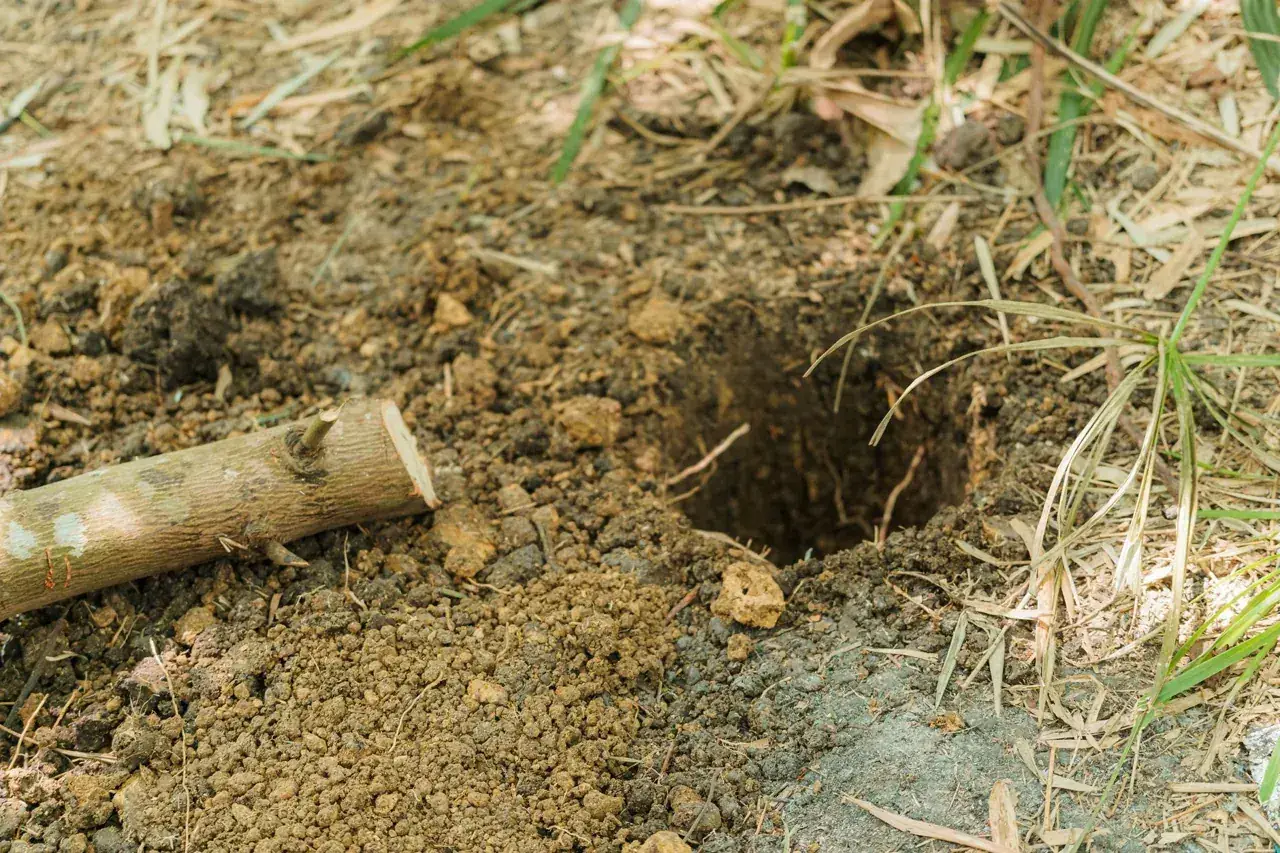
Where the water cannot be fixed, build for it. Concrete posts and concrete gravel boards with timber above, or a post and rail with nothing near the ground at all. Rammed stone footings rather than concrete collars. Generous clearance under everything.
Accept the fence will be shorter-lived and plan the replacement rather than pretending. A boundary in a wet corner that gets fifteen years instead of twenty-five is not a failure, it is a wet corner.
Where the water is allowed to go
Discharging surface water onto a neighbour is a nuisance in the legal sense and it sours boundaries faster than anything else. A soakaway needs to be a proper distance from any building and it needs ground that will actually accept water, which a clay garden may not.
If the honest answer is that there is nowhere for it to go, a raised bed or a bog border along the wet strip turns the problem into a planting decision. the RHS has good lists of things that want their feet wet.