
Boundaries · 14 January 2026
Why Posts Rot at the Groundline and Nowhere Else
Dig up a failed fence post and the bottom is usually sound. The damage is always in a narrow band at soil level, and the reason is oxygen.

The failure is a band, not a rot
Pull a dead fence post out of the ground and the thing that surprises people is how much of it is still fine. The buried foot is often solid enough to knock a nail into. The section above ground is weathered but structurally sound. The damage sits in a band perhaps four inches deep, straddling the line where soil meets air.
That band is where the post breaks. Everything above it is being carried by a piece of timber that has quietly lost most of its cross-section, and on the first proper westerly the fence goes over in a run. The neighbours assume wind. It was oxygen.
Fungi need three things and only get all three at the surface
Wood-destroying fungi need moisture, oxygen and a temperature above roughly five degrees. Deep in the soil there is plenty of moisture and very little oxygen. Well above ground there is plenty of oxygen and, most of the time, not enough sustained moisture. Only at the groundline do all three arrive together and stay together.
This is why the failure is so consistent that you can predict it. It is not a defect in a particular batch of posts or a sign that someone skimped. It is the physics of the interface, and every timber post in every garden in the country is losing that band at some rate.
What actually slows it down
The single largest factor is how long the band stays wet. A post standing in a saucer of concrete that holds water will go in half the time of the same post in free-draining ground. If you concrete, the collar must be domed and finished proud so water runs away from the timber rather than pooling against it.
The second factor is the treatment class of the timber. Posts sold for garden use are frequently treated to use class three, which is specified for timber above ground. Ground contact is use class four, and it is a genuinely different depth of penetration, not a marketing tier. Ask, because it is rarely printed on the label and the price difference is small against the cost of doing the job twice.
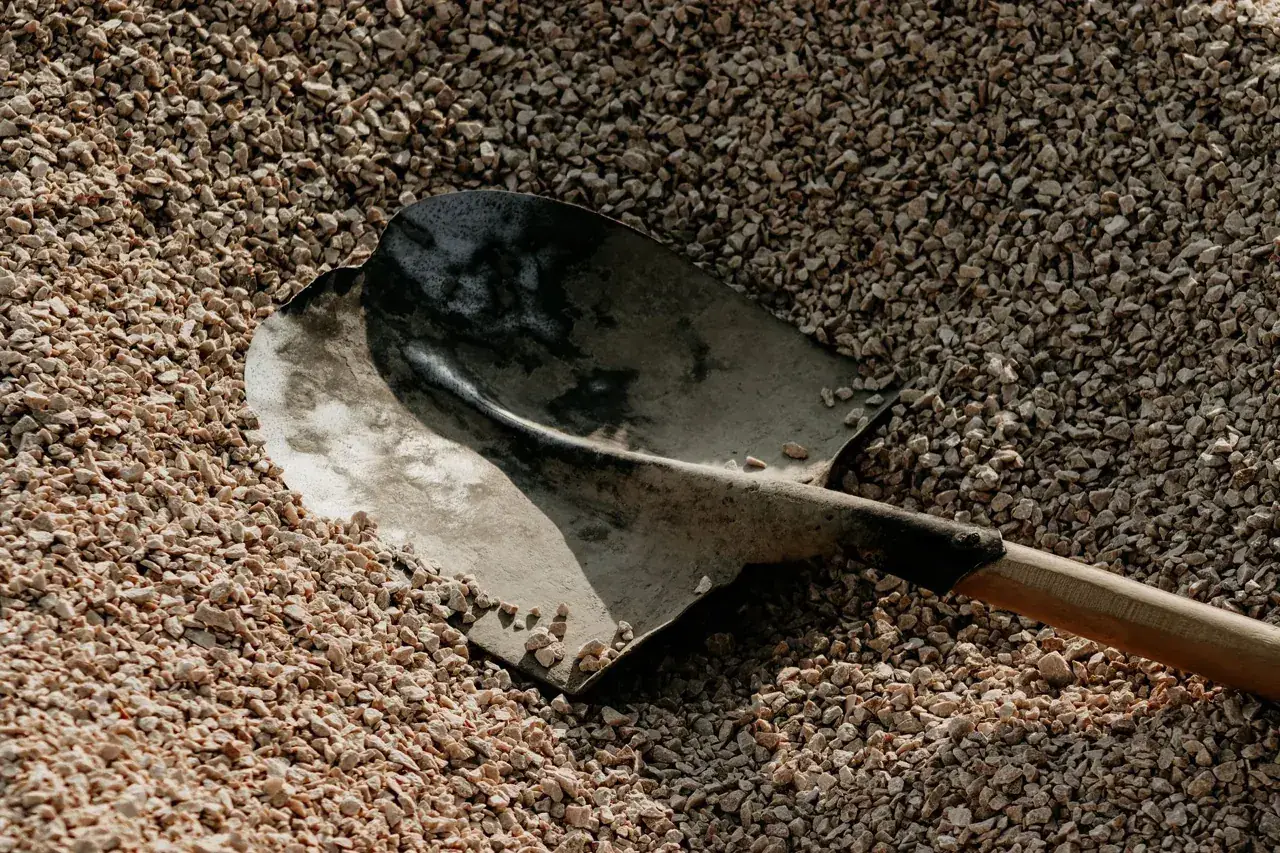
The third is capillary action. An end grain sitting on wet soil wicks water up into the post like a straw. A few inches of clean stone under the post, so the end grain sits on drainage rather than in mud, is the cheapest improvement available to anyone.
The repair that is worth doing
A post that has gone at the groundline but is sound above and below can be spurred. A concrete spur is bolted alongside the surviving timber and takes the load across the failed band. It is not elegant and it is entirely effective, and on a long run it saves lifting a fence that is otherwise in good order.
The judgement call is whether the rest of the run has the same number of years in it. Spurring one post in a fence built at the same time as nine others usually buys you one season before the next one goes. If three have failed, replace the line.
The one thing not to do
Do not paint a failing post with a surface preservative and consider it treated. Brush-applied preservative penetrates a couple of millimetres into seasoned softwood. It does nothing for a band that has already lost half its section, and it seals moisture in behind a film that then peels.
If the post is going, it is going. Spur it or replace it, and put the next one in on stone.